New York High School Sports Lockers: A Guide for Athletic Directors
New York High School Sports Lockers: A Guide for Athletic Directors
New York runs one of the largest high school athletic systems in the country, spread across eleven NYSPHSAA sections and an enormous range of school types, rural districts in the North Country, suburban programs on Long Island and in Westchester, and the dense urban schools of New York City.
An athletic director in Plattsburgh and one in Queens are solving genuinely different locker room problems. This guide covers both, plus the parts that are the same everywhere in the state.
What is actually different about New York
Three things come up in nearly every conversation we have with a New York program.
Winter is a design input
Upstate New York winters put more gear on athletes than almost anywhere else we sell. From November through March, a student arrives with a parka, boots, hat and gloves on top of whatever the sport requires. That is a genuine volume problem, a locker sized comfortably for a soccer kit in September is full before the gear goes in come January.
Then there is road salt. It comes in on every boot, dissolves in meltwater, and settles wherever the water goes. Salt is aggressively corrosive to metal. On a powder-coated steel locker it finds every chip and scratch, and rust spreads outward from there, which is why so many upstate schools have metal banks with rusted bottoms and intact tops.
The specification answers are straightforward:
- Wider lockers than you would specify in a warmer state. Twenty-four inches minimum, and 28 or 30 where budget allows.
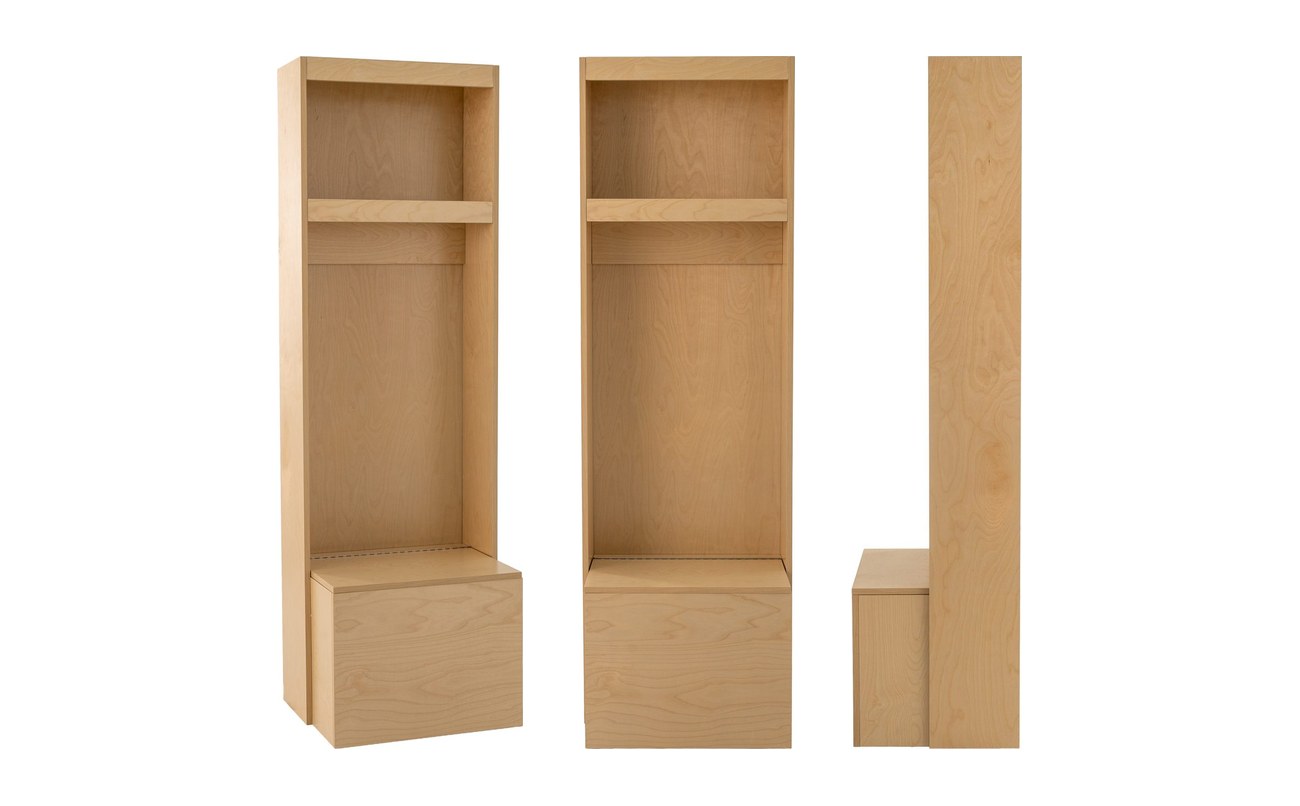
- A raised base, so meltwater and salt do not sit against the bottom edge.
- A sealed finish that can be wiped down through the winter.
- Hooks, so outerwear hangs rather than filling the shelf.
The buildings are old
New York has a lot of school buildings that have been in service for fifty years or more, and athletic spaces in them are rarely regular rectangles. Columns in the middle of rooms, low ceilings, sloped floors, and alcoves that a standard locker bank cannot use.
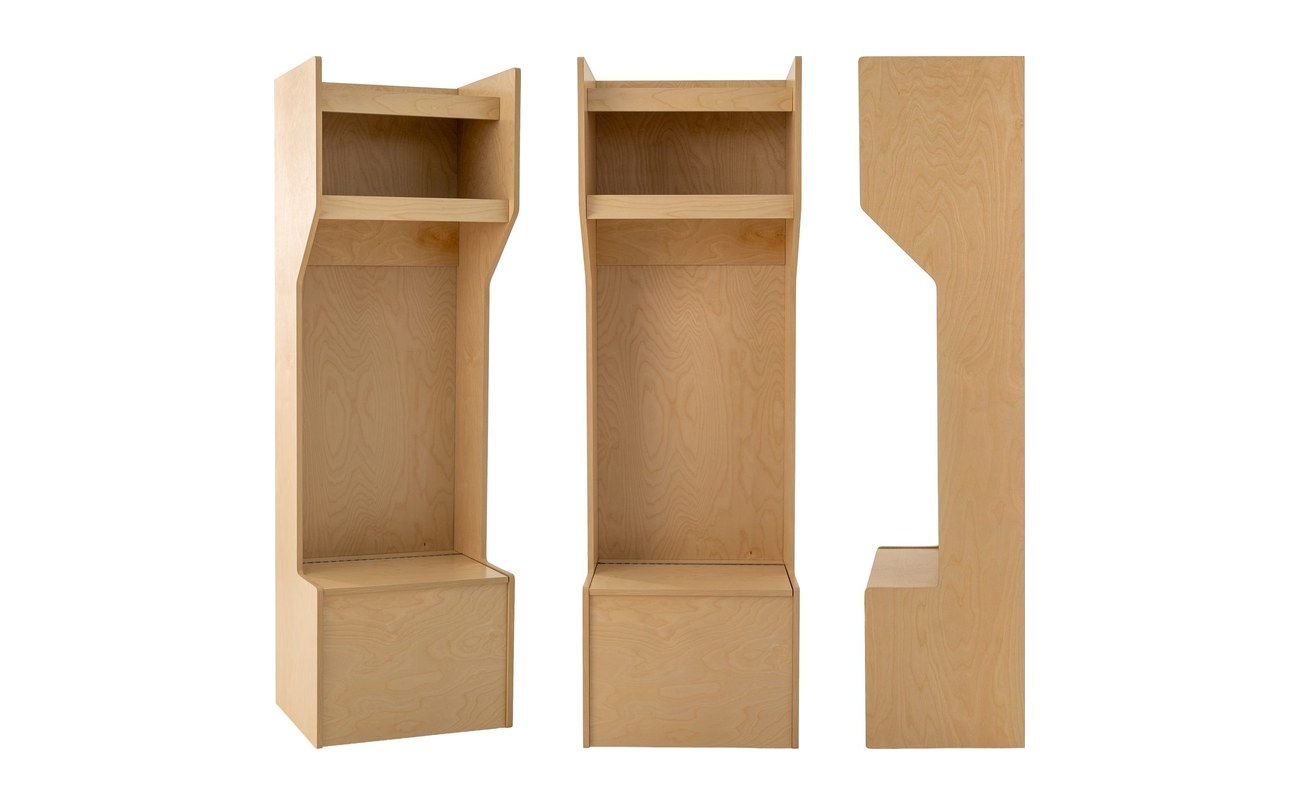
This is where custom widths genuinely matter. In our line a non-standard width costs the same per locker as a standard one, so building to the actual room rather than to a catalogue size usually yields more usable positions, not fewer. An alcove that fits nothing standard will often take three lockers at a width chosen for it.
Measure before you shortlist. We would rather quote against real dimensions than against an assumed layout.
The budget process is its own constraint
New York districts generally work on a 1 July budget year, with capital projects and athletic equipment moving on different tracks and different approval timelines.
Two practical consequences:
Order in spring, install in summer. Custom builds run 10 to 12 weeks. Summer is the only period when a locker room can be worked on without displacing teams. An order placed in May or early June installs during the break. One placed in August is arriving mid-season.
Published prices help with approval. A figure you can put in a budget request in February and still rely on in June is worth more to an athletic director than a discount negotiated under pressure. Ours are published, which is mostly why.
Upstate and downstate, specifically
Upstate and Western New York. Winter gear volume is the dominant factor. Programs here should size up rather than down, specify for salt and meltwater, and plan for athletes arriving in full outdoor kit for several months of the year. Sections 1 through 7 cover enormous geographic distances, which also means long bus trips and athletes carrying more with them.
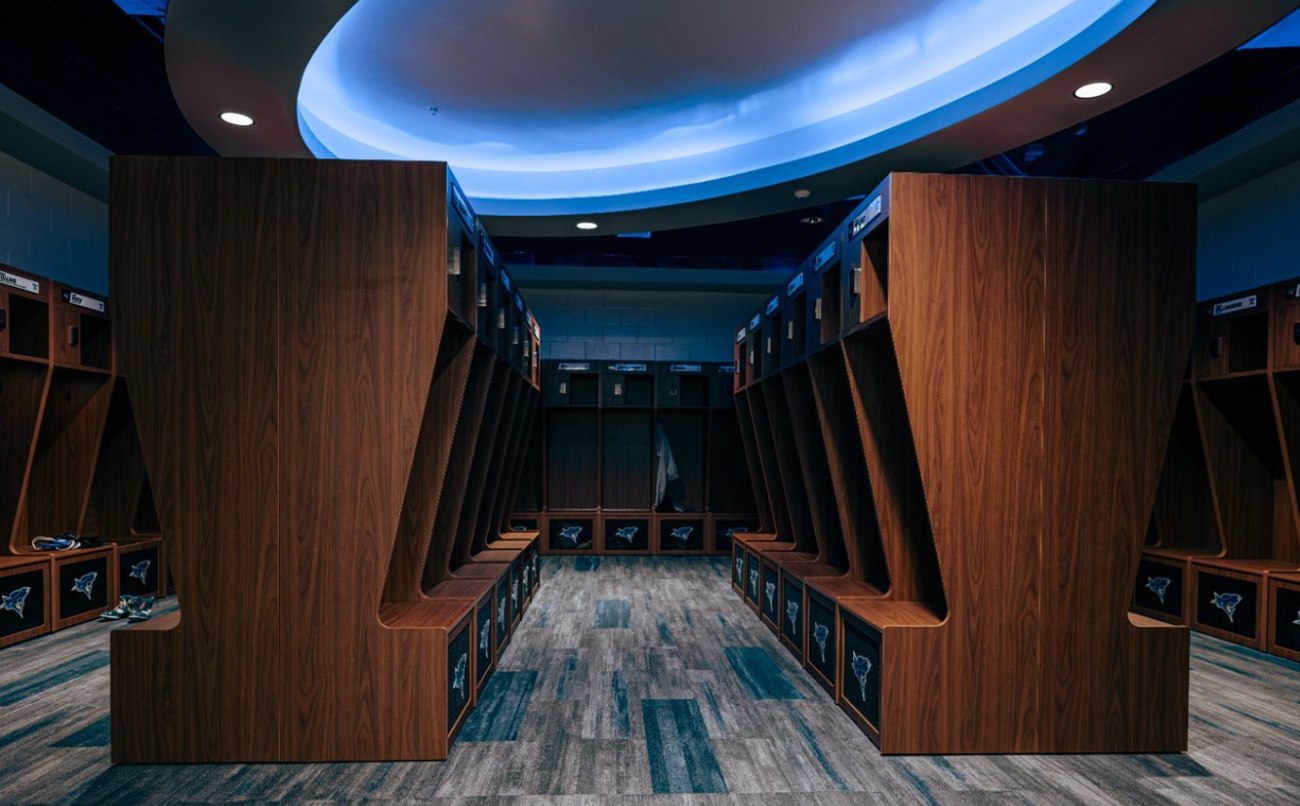
Long Island and Westchester. Larger athletic budgets and strong competitive programs, with locker rooms frequently functioning as a recruiting and retention signal within the district. More demand for finishes and logos. Space is less often the constraint; expectations are higher.
New York City. Space is the constraint, nearly always. Dense buildings, shared facilities, multiple programs through the same room in a day. The priorities shift to turnover, durability under heavy use, and fitting the maximum usable positions into a fixed footprint. Keypad lock boxes do a lot of work here, since a room used by several groups cannot rely on assigned keys.
Sharing rooms, which nearly every New York school does
Very few New York high schools have a dedicated room per sport. Most share by season, and the thing that determines whether it works is the handover.
- Autumn: football, soccer, volleyball, cross country, field hockey
- Winter: basketball, wrestling, indoor track, swimming
- Spring: baseball, softball, lacrosse, track, tennis
Specify the room for the bulkiest sport that uses it, use removable name plates at $10 rather than permanent assignment, and agree handover dates between coaches before the season starts.
Where a room genuinely serves two sports at once, which happens most often in spring, specify wider lockers than either sport alone would need and accept that as the cost of the shared space.
What this costs
| Line | Price per locker |
|---|---|
| Semi Pro | $399 |
| Varsity | $499 |
| Stadium | $599 |
| Custom models | from $649 |
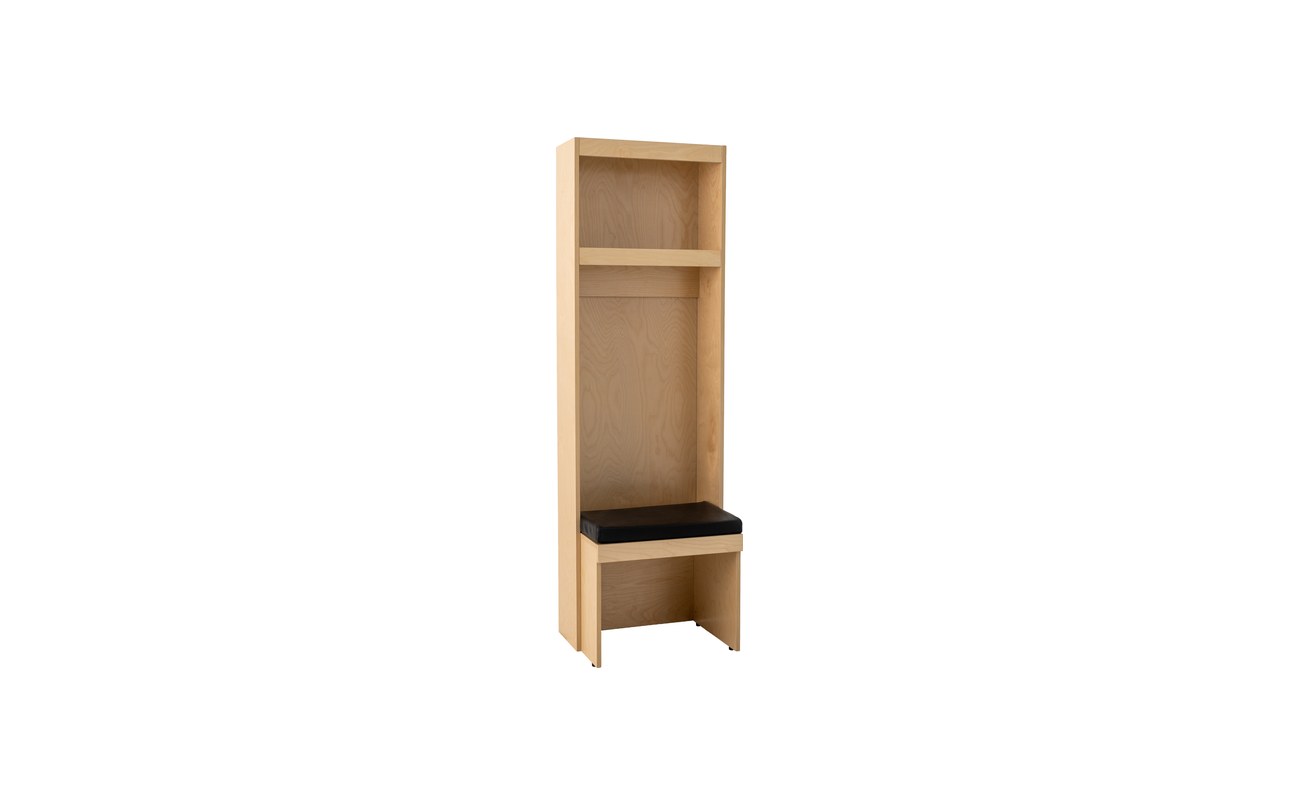
Options: custom logo $75, name plate $10, four hooks $12, cushions from $75, digital keypad lock box $80.
A worked example for a shared autumn room at 30 positions, specified for upstate winter use:
- Varsity at 30 positions: 30 × $499 = $14,970
- Plus school logo at $75 each: $2,250
- Plus name plates at $10 each: $300
- Total before freight: $17,520
That is a defensible line in a budget request, and it does not change between the request and the order.
Minimum order is 8 lockers, which makes phasing by room realistic across budget years. Custom builds run 10 to 12 weeks. We price-match USA competitors, and every locker carries a five-year warranty.
A note on metal
Most New York schools we talk to are replacing metal, and the reasons are consistent: dented doors that no longer close, rusted bottoms where salt and meltwater sat, and noise.
Metal makes sense in some settings. A New York locker room that takes road salt five months a year is not one of them. Sealed wood does not rust where a coating chips, does not dent from a bag or a boot, and can be refinished rather than replaced.
Our high school locker room renovation guide goes through the replacement decision in more detail.
Conclusion
New York athletic directors are specifying locker rooms for a longer, harder winter than most of the country, frequently inside buildings that were finished before the sport in question had a girls’ team, on a budget calendar that gives one realistic installation window a year.
The decisions that matter are not complicated. Size up for winter outerwear. Specify a raised base and a finish that takes salt and meltwater. Measure the real room rather than assuming a standard bank will fit, because custom widths cost no more and usually gain you positions. Order in spring so the work happens in summer. And if you are phasing across budget years, lock the model and finish in the first order so the rooms match as they accumulate.
We have built wood athletic lockers for over 35 years, every one with a five year guarantee. We publish our prices, we price-match USA competitors, and we will tell you honestly what your programs need before you spend anything. Contact us for a free design consultation, send your room dimensions, your sports and your budget timeline, and we will come back with a specification and a number.
Explore related guides: high school athletic lockers buyer’s guide | high school locker room renovation | Pennsylvania high school sports lockers | Ohio high school sports lockers | all products