Pennsylvania High School Sports Lockers: Buying Guide
Pennsylvania High School Sports Lockers: Complete Buying Guide
Pennsylvania high school athletics is a serious enterprise. With more than 1,400 PIAA member schools and some of the most competitive athletic traditions in the country, PA programs operate at a level that demands genuine facility investment. The locker room is where that investment becomes visible to athletes, coaches, and recruits. Yet a significant number of Pennsylvania schools are still working with metal locker installations from the 1960s and 1970s, equipment that has outlived its useful life by a decade or more.
This guide is for Pennsylvania athletic directors who are ready to change that. We’ll cover the PIAA athletics landscape, the sports that drive the most locker room demand in PA, the funding mechanisms available to district programs, and the material and configuration choices that make the most sense for Pennsylvania’s specific climate and budget environment. PlayerStall has been building custom wood sports lockers for over 35 years and serves programs across the U.S. northeast corridor, including throughout Pennsylvania.
Key Takeaways
- PIAA’s 1,400+ member schools represent one of the densest concentrations of high school athletics in the country, with football, basketball, and wrestling as the sports most driving locker room investment demand
- Pennsylvania school districts have multiple funding mechanisms for facility upgrades: Act 34 capital plans, general obligation bonds, and booster contributions can be combined
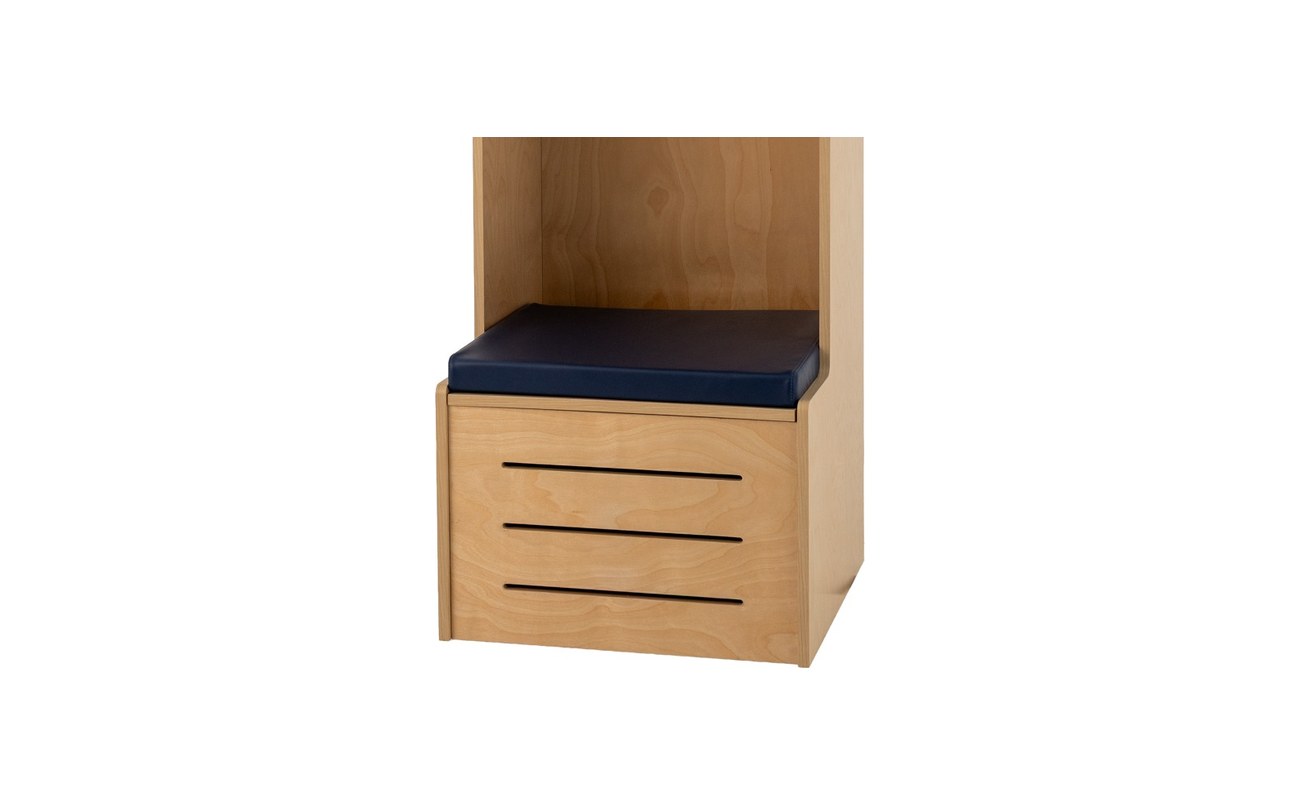
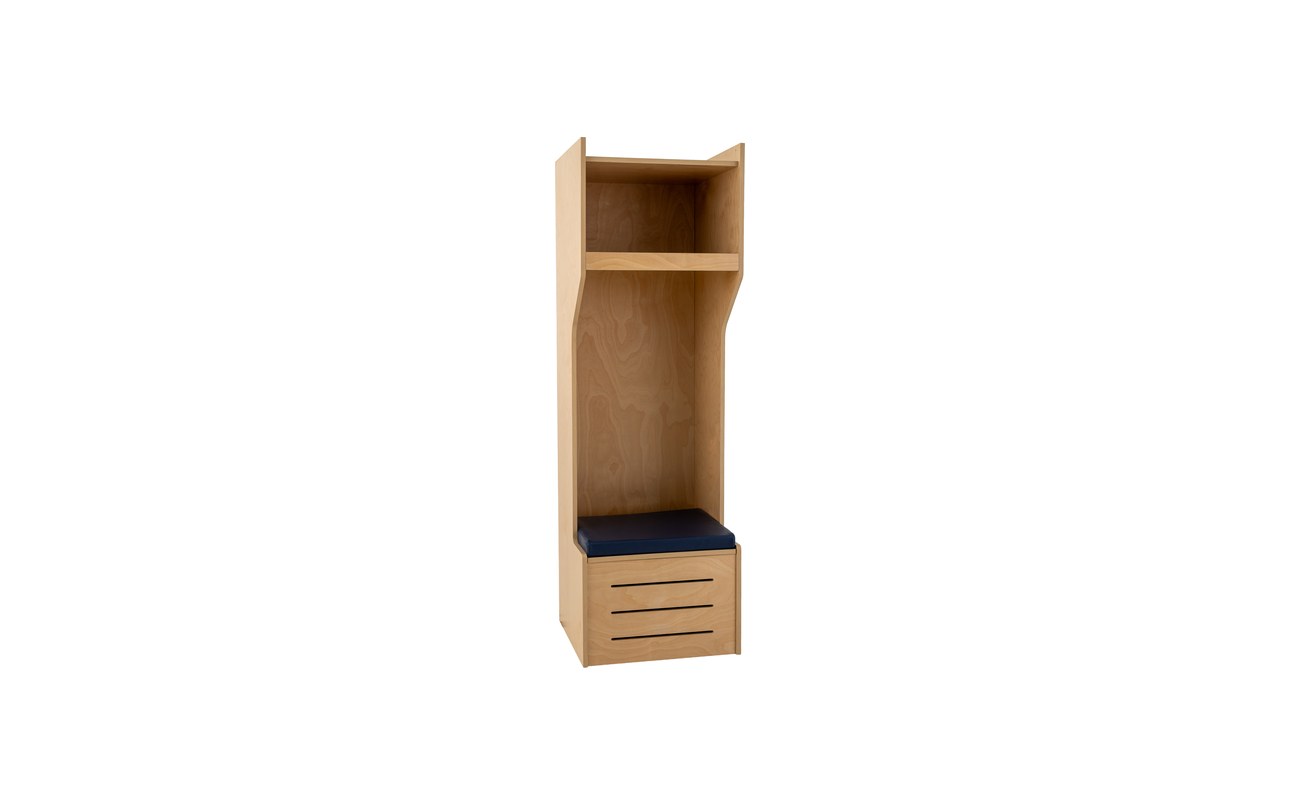
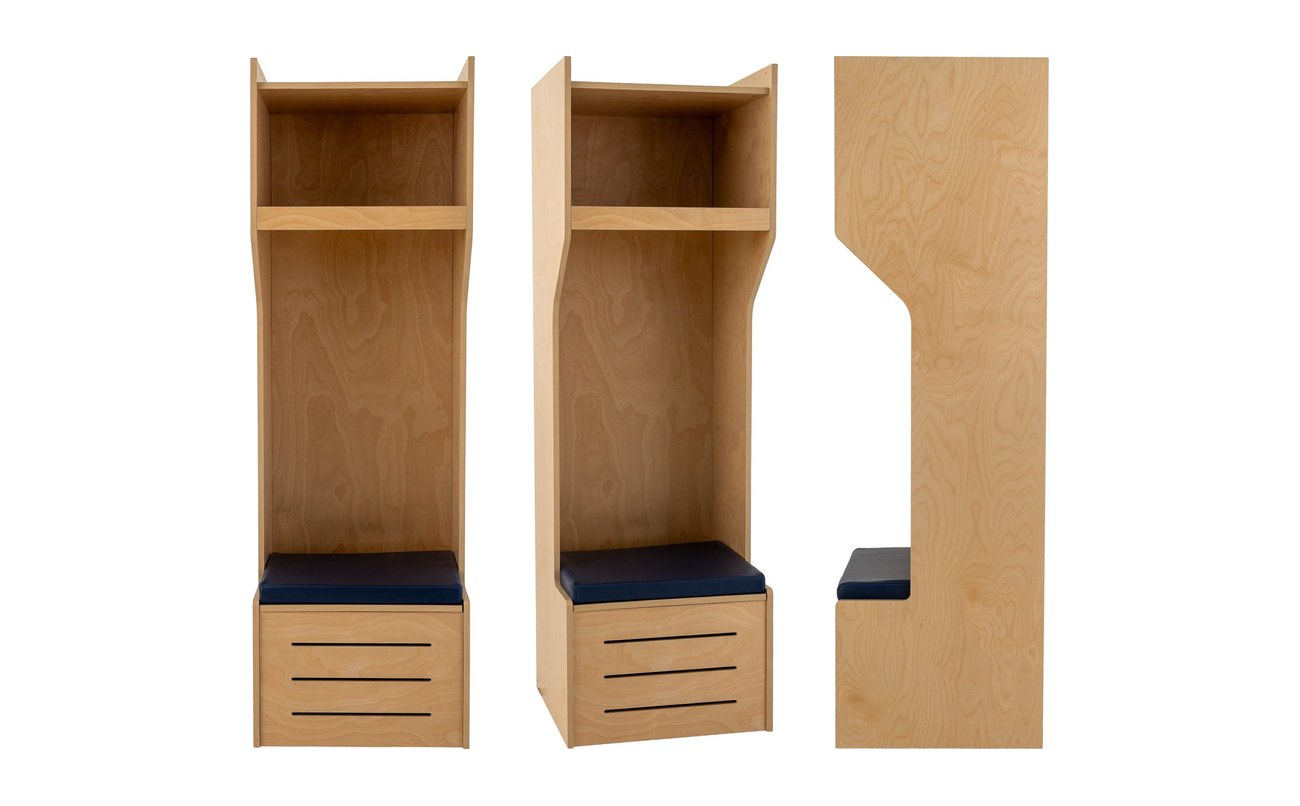
- Solid 3/4” birch wood outperforms metal in Pennsylvania’s climate, seasonal humidity and cold winters accelerate metal degradation while properly finished birch handles both without issue
- The PA budget cycle means athletic directors need design consultations in January–February to hit spring board approval and summer installation
- PlayerStall’s Canadian manufacturing location means fast shipping to Pennsylvania, typically 5–7 business days from production completion
- Wrestling is a PIAA powerhouse that demands specific locker configurations most suppliers don’t design for properly
In This Guide
- Pennsylvania High School Athletics Landscape
- Sports Driving Locker Room Investment in PA
- Why Wood Outperforms Metal in Pennsylvania’s Climate
- Funding Mechanisms for PA School Districts
- Locker Room Sizing and Configuration for PA Programs
- Planning Your Renovation Timeline
- Frequently Asked Questions
Pennsylvania High School Athletics Landscape
The Pennsylvania Interscholastic Athletic Association governs one of the largest high school athletic programs in the United States. With over 1,400 member schools organized across six district classifications by enrollment, PIAA administers championships in 28 sports and serves hundreds of thousands of student-athletes annually.
Pennsylvania’s athletic culture is driven by geography as much as tradition. The state’s dense corridor of mid-size cities, Allentown, Reading, Harrisburg, Erie, Scranton, produces a competitive athletic environment where neighboring school districts have been rivals for generations. In that context, facility quality isn’t just about athlete experience. It’s about institutional identity and competitive position.
Programs in Pennsylvania’s suburban Philadelphia and Pittsburgh corridors tend to have the strongest facility investment capacity, driven by higher district tax bases. But mid-sized districts across the state, in places like Lancaster County, York, and the Lehigh Valley, have been active investors in locker room upgrades over the past decade as aging facilities hit the end of their functional lives simultaneously.
PIAA doesn’t prescribe specific locker room standards, but federal ADA requirements under the Americans with Disabilities Act apply to all public school facilities, including locker rooms. These requirements govern aisle widths, accessible locker heights, and bench configurations. Any renovation plan needs to incorporate ADA compliance from the start, not as an afterthought.
Sports Driving Locker Room Investment in PA
Pennsylvania’s athletic culture has specific sport concentrations that directly shape locker room needs. Three sports dominate the locker investment conversation in ways that differ from national averages.
Football
Pennsylvania football is culturally significant in a way that’s hard to overstate. Friday night football in communities across the state draws thousands of fans and commands institutional investment. Football locker rooms in PA programs typically have the largest budgets and the highest customisation expectations, player nameplates, team color schemes, premium hardware, and dedicated equipment storage.
Football locker configurations in Pennsylvania typically run 30”–36” wide to accommodate shoulder pads and helmets, with helmet shelves, shoulder pad hooks rated for 15+ lbs, and ventilated base cubbies for cleats. A standard varsity football program needs 40–60 locker stations for athletes plus separate stations for coaches. Programs with strong booster support often extend to 70–80 stations to cover scout teams and freshmen programs sharing the facility.
Basketball
Pennsylvania produces elite basketball talent at a consistent rate, and programs across the state have invested significantly in basketball facility quality in recent years. Basketball locker rooms need 24”–27” wide lockers with premium shoe storage, basketball players rotate through 2–3 pairs of sneakers, and charging integration. The per-station cost is lower than football, but the expectation level among recruits visiting PA basketball programs is high.
Wrestling
This is the Pennsylvania difference. Pennsylvania is one of the top three wrestling states in the country. Programs like Waynesburg, St. Edward’s tradition rivals, and dozens of PIAA district powers have produced generations of state champions and NCAA qualifiers. Wrestling is serious business in PA.
Wrestling locker rooms have specific requirements that generic configurations fail to address. Wrestling athletes need 18”–24” wide lockers with adjustable shelving, gear loads change significantly between preseason, dual meet season, and tournament stretch. Singlets, headgear, wrestling shoes, knee pads, and multiple practice uniform sets need organized storage. A full-height locker with two adjustable shelves and a ventilated base cubby for shoes is the right configuration.
We’ve built locker rooms for wrestling programs at both the high school and collegiate level for over 35 years. If your program takes wrestling seriously, and in Pennsylvania, it should, the locker room should reflect that. Our high school athletic lockers buyer’s guide covers sport-specific configurations in detail.
Baseball
Pennsylvania spring baseball is a significant program driver, particularly in the state’s suburban districts. Baseball locker configurations require dedicated vertical bat storage (a 48”–54” channel), batting helmet shelf placement, glove ventilation, and cleat cubbies. Our baseball wood lockers guide covers every dimension of this specific configuration.
Why Wood Outperforms Metal in Pennsylvania’s Climate
Pennsylvania’s climate presents a specific challenge for athletic lockers that many athletic directors don’t think about until they’re seeing the consequences in their existing rooms.
Pennsylvania summers are humid, particularly in the southern and eastern parts of the state. Locker rooms in older buildings without modern HVAC often reach 70–80% relative humidity during the summer months, even when athletes aren’t actively using the space. Metal lockers respond to that humidity by accelerating oxidation at seams, hinges, and fasteners. Paint adhesion fails at humidity exposure points. By the time school resumes in September, metal lockers that spent August in a humid room are showing measurable degradation.
Pennsylvania winters present the inverse problem. Older school buildings with steam heat or zone heating systems see significant temperature swings between heated and unheated periods. Metal contracts and expands with temperature change at a rate that stresses paint, loosens fasteners over time, and produces the audible pops and creaks that characterize aging metal locker installations in cold buildings.
Solid 3/4” birch handles both conditions more gracefully than metal. Think of it like well-built hardwood furniture versus a steel filing cabinet: the furniture handles seasonal climate variation without protest while the filing cabinet develops rust spots, loose handles, and sticky drawers. Birch’s dimensional stability under humidity variation is a documented material property, not marketing language. Properly sealed and finished birch lockers in Pennsylvania facilities we installed 15+ years ago look and perform as originally specified. The same can rarely be said for metal installations of equivalent age.
This isn’t a close comparison when you factor in how long solid birch actually lasts. That guarantee reflects our confidence in how these lockers perform in exactly the kind of climate Pennsylvania programs operate in.
Funding Mechanisms for PA School Districts
Pennsylvania school districts have several funding pathways for athletic facility improvements. Understanding the right mechanism for your situation is essential before you build a renovation proposal.
Act 34 Capital Improvement Plans
Act 34 of 1997 governs Pennsylvania school construction and renovation projects. Capital improvements above certain thresholds require Pennsylvania Department of Education approval through the Act 34 process, which involves public notice, a hearing period, and formal PDE review. The advantage is that Act 34-approved projects can be financed through long-term bonds, spreading the cost over 10–20 years. For large locker room renovations, a full football facility or a multi-sport complex, Act 34 financing is often the most practical path.
The process takes time: plan for 6–12 months from initial proposal to PDE approval. Start conversations with your district’s business manager and solicitor before you’ve finalized your locker specification.
General Obligation Bonds
For improvements below Act 34 thresholds, or as supplementary financing for larger projects, general obligation bonds approved by district boards are the most common mechanism. These bonds are repaid from district tax revenue and typically carry favorable interest rates for Pennsylvania public entities. Board approval timelines vary by district, most require 30–60 days from administration recommendation to formal vote.
Booster Clubs and Athletic Foundations
Pennsylvania’s strong athletic culture produces strong booster programs. Many PA athletic programs fund premium finishes, customisation, and ancillary amenities through booster club contributions layered on top of district capital funding. A typical pattern: district capital funding covers the locker infrastructure and installation, while the booster club funds player nameplates, logo panels, and upgraded hardware finishes.
Most Pennsylvania districts require board approval before booster funds can be used for facility improvements, even when the contribution is entirely external. Check your district’s policy before committing booster dollars to a vendor. For a broader look at renovation budgeting, our locker room renovation guide covers the full project financial picture.
Locker Room Sizing and Configuration for PA Programs
Most Pennsylvania high school locker rooms were designed in the mid-20th century for a single-sport, single-gender use case. Many are undersized by current standards, underventilated, and configured for a roster size that doesn’t match today’s program reality.
A standard Pennsylvania varsity football program has 45–65 athletes on the active roster, with additional athletes on junior varsity and freshman squads who may share the facility. A locker room originally built for 40 stations in the 1960s creates genuine daily operational problems for a 2026 program that size. The renovation conversation starts with getting an accurate count: current roster size, projected roster growth, and whether any shared-use programs (varsity/JV share, multiple sports by season) need to be accommodated.
ADA compliance is non-negotiable. Federal accessibility requirements mandate minimum 36” aisle widths between opposing locker rows, accessible locker height ranges (between 15” and 48” from floor for controls and storage), and bench configurations that accommodate wheelchair transfer. These requirements apply to any significant renovation, not just new construction. Building them into your design from the start avoids the expensive rework of discovering a compliance gap after installation.
For programs running multiple sports through a shared locker room, sport-specific configuration zones, different locker widths for football versus wrestling, sport-specific storage features, work better than a single generic configuration that serves no sport ideally. We design these multi-sport configurations regularly and can walk you through the layout options in our free design consultation.
For detailed configuration guidance, see our complete sports lockers buyers guide and athletic lockers buying guide. Both cover material and sizing decisions in depth.
Planning Your Renovation Timeline
Timing is the variable most Pennsylvania athletic directors underestimate. Summer installation is the only practical window for most locker room renovations, you need the facility empty, and you need enough time before fall sports begin. That installation window is shorter than it looks from January.
Working Backward from Summer Installation
A fall sports opening in August means installation needs to be complete by late July. Working backward: installation typically takes 1–2 days, but site preparation, electrical work for charging, any structural modifications, flooring, may take 1–2 weeks. Delivery needs to arrive 1–2 days before installation begins. Our production lead time from finalized design to delivery runs 6–10 weeks.
That means a finalized design needs to be in hand by early to mid-April for a comfortable summer installation. Board approval for the purchase, required in most Pennsylvania districts, needs to happen by late March or early April. Budget requests typically go to administration in February for April board votes.
Starting your design consultation in January is not early. It is the right timing for a summer installation. Programs that begin in March are already creating risk.
The PIAA Spring Calendar
Spring sports in Pennsylvania, baseball, softball, lacrosse, track, run through the end of May. Most programs can’t begin serious renovation planning conversations until spring sports are over, which puts them in June. That’s workable for a smaller renovation, but it compresses the timeline significantly. If your sport of focus is a fall or winter sport, don’t wait for spring sports to wrap before starting conversations. The two processes don’t need to overlap.
Contact PlayerStall for a free design consultation as early in your planning cycle as possible. We serve Pennsylvania programs with direct shipping from our Canadian manufacturing facility, typically 5–7 business days from production, and can accommodate the PA budget cycle with flexible design confirmation timelines. Browse our locker tiers to get a preliminary cost picture before your consultation.
Frequently Asked Questions
What are the most common locker room configurations in Pennsylvania high schools?
Most Pennsylvania high school locker rooms were built between 1955 and 1985 and configured for football as the primary sport. A typical setup is 40–60 metal locker stations in a rectangular room, often shared between multiple sports by season. Programs upgrading today typically move to sport-specific configurations, separate rooms or designated zones for football, basketball, and wrestling, with locker counts matching actual varsity roster sizes rather than the original one-size-fits-all layout.
How do Pennsylvania school districts typically fund locker room renovations?
The primary mechanisms are Act 34 capital improvement plans (which require PDE approval but allow multi-year bond financing), general obligation bonds approved by district boards, and supplementary funding from booster clubs and athletic foundations. Some districts combine sources, using bond funds for structural work and booster contributions for premium finishes and customisation. Title I funding can apply to locker room improvements in qualifying districts when the renovation supports broader health and safety goals.
Does wood hold up in Pennsylvania’s climate, humid summers and cold winters?
Solid 3/4” birch performs better than metal in Pennsylvania’s climate for two reasons. First, birch has a much lower thermal mass than steel, it doesn’t get as cold to the touch in winter, which matters in older buildings with inconsistent heating. Second, properly finished birch handles seasonal humidity variation without warping or swelling. Metal lockers are more vulnerable to the freeze-thaw cycle’s effect on paint and surface coatings. We’ve had lockers installed in Pennsylvania facilities for over 15 years that look and function as well as they did on installation day.
What locker size does Pennsylvania wrestling require?
Wrestling athletes need 18”–24” wide lockers, smaller than football but with specific shelving requirements. Singlets, headgear, wrestling shoes, knee pads, and a practice uniform set are the typical load. Adjustable shelving matters more for wrestling than fixed configurations because gear changes significantly between preseason conditioning, dual meets, and tournament season. We recommend a full-height locker with two adjustable shelves and a base cubby for shoes.
When do Pennsylvania athletic directors typically plan and execute locker room renovations?
The Pennsylvania school year budget cycle runs October through June for most districts, with capital project approvals typically in February–April board meetings. athletic directors who want summer installation, the only feasible window for most renovations, need to have their locker purchase approved by April at the latest. That means starting design consultation in January–February. Programs that miss the spring approval window typically target the following summer, making early planning essential.
How close is PlayerStall to Pennsylvania, and how does that affect shipping?
PlayerStall is Canadian-owned and manufactured, with production facilities close to the U.S. border. Pennsylvania is one of our faster shipping corridors, typical transit times run 5–7 business days once production is complete. For large installations, we coordinate LTL freight directly to your facility with scheduled delivery windows. Lead time from finalized design to delivery is 6–10 weeks, which fits comfortably within a spring-approval, summer-installation cycle.
What PIAA regulations affect locker room design?
PIAA itself doesn’t specify locker room standards, but facilities must comply with ADA accessibility requirements under federal law. This affects aisle widths (minimum 36” between locker rows), accessible locker height placement, and bench configurations. Schools receiving federal funding must also meet Title IX equivalency standards for men’s and women’s facilities. We factor ADA clearances and Title IX parity considerations into every design consultation at no additional cost.
Can a Pennsylvania booster club fund locker room improvements independently?
Yes, booster club contributions can fund locker room improvements, but the mechanism varies by district. Most Pennsylvania school districts require board approval for any improvements to district facilities regardless of funding source. Booster funds typically flow through the athletic director’s activity account or a separate school foundation. For larger purchases, some districts require the booster contribution to go through the district’s standard procurement process, which may include competitive bidding above certain thresholds. Check with your district’s business manager before committing booster funds to a specific vendor.
Pennsylvania Programs That Invest in Facilities Win
Pennsylvania high school athletics is competitive at a level that matches many college programs in other states. The programs that recruit the best athletes, retain the best coaches, and build the strongest athletic cultures are the ones that treat facility investment as a strategic priority, not an afterthought.
A custom wood locker room tells your athletes and your community that your program is serious. Over over 35 years of building wood sports lockers and athletic locker systems, we’ve seen the correlation between facility investment and program momentum too many times to dismiss it as coincidence. The locker room doesn’t win games. But it shapes the culture of the program that does.
PlayerStall has been Canadian-owned and operated since 1989. We manufacture solid 3/4” birch locker systems with a five year guarantee and ship throughout the U.S., including directly to Pennsylvania facilities. Our free design consultation starts with your specific space, sport, roster size, and budget, and produces a complete specification and cost breakdown you can take to your board for approval.
Start your free consultation today. Or browse our locker tiers, from the Semi Pro at $399 to the Stadium at $599, to get a preliminary sense of the investment. Your athletes have been putting in the work. Give them a locker room that reflects it.