California High School Sports Lockers: What Athletic Directors Choose in 2026
California High School Sports Lockers: What Athletic Directors Choose in 2026
California runs the largest high school athletic program in the United States. The California Interscholastic Federation governs over 1,600 schools and more than 800,000 student-athletes across every sport you can name. That scale creates a competitive dynamic unlike any other state, and facility quality is part of that competition. Walk into a well-funded Bay Area or Southern California private school athletic facility and you’ll understand immediately why public school athletic directors feel the pressure to invest.
CIF data shows California high school athletic participation continues to grow even as the national trend has stabilized. More student-athletes, more programs, and more sports competing simultaneously means locker room facilities get heavier use in California than virtually anywhere else in the country.
This guide is for California athletic directors who are making locker room decisions in 2026. It covers the state-specific requirements, seismic anchoring, the funding landscape, CIF context, alongside the standard sports locker decision framework that applies everywhere. California has unique considerations. They’re not complicated, but they need to be accounted for from the start.
Key Takeaways
- California’s seismic requirements mean locker installations must be properly anchored, this is a standard part of every PlayerStall installation in California, not an add-on.
- Year-round athletics in California means multi-sport locker room flexibility is more important here than in most states.
- The most common California funding sources are general obligation bonds, developer impact fees, and booster funds, your district’s facilities director is the right first call.
- Private schools in California have invested heavily in facilities; public school athletic directors are responding with serious facility planning.
- CIF doesn’t mandate specific locker room specs, but Title IX compliance, which CIF member schools are subject to, creates real facility equity requirements.
In This Guide
- California’s athletic landscape and CIF context
- Seismic compliance and anchoring requirements
- Year-round athletics: why California needs different thinking
- The diversity of California sports and multi-sport design
- Competitive landscape: private schools set the bar
- Regional variation: Bay Area vs. Southern California vs. Central Valley
- Funding sources for California facility projects
- Recommended product tiers for California programs
California’s Athletic Landscape: Understanding the Scale
California’s high school athletic system is not just the largest in the country, it’s large enough to have meaningful sub-markets within it. The CIF operates through 10 geographic sections, each covering a distinct region of the state. A school in Section XI (Sac-Joaquin) operates in a different competitive environment than a school in Section I (North Coast) or Section VIII (Central).
What every section shares is scale. Even moderate-sized California districts enroll more students than many states’ entire high school populations. A 2,000-student high school in suburban Los Angeles serves more student-athletes than a comparable rural school in another state by a factor of 2–3. That scale creates both demand for quality facilities and, in well-funded districts, the budget to provide them.
The Private School Pressure
The single biggest driver of facility investment among California public school athletic directors is competition from private schools. California has a large and well-funded private school sector, from Jesuit and Catholic schools with long athletic traditions to elite independent schools in the Bay Area and Los Angeles that have built facilities rivaling small colleges.
When a private school in your section has a locker room that looks like a D1 collegiate facility, the message to your recruits and their families is hard to ignore. Public school athletic directors know it. The ones who’ve addressed it have done so with deliberate capital planning, not wishful thinking.
Seismic Compliance: The California-Specific Requirement
No other state in the contiguous United States has the seismic activity profile that California does. The consequences for building and facility standards are real and specific.
Locker installations in California schools must be anchored to structural wall elements, studs, masonry, or concrete, to prevent movement and fall hazard during seismic events. Tall freestanding locker units that are not properly anchored are a safety risk that California’s Division of the State Architect (DSA) standards and local building codes address directly.
What Proper Seismic Anchoring Means in Practice
The practical requirement is not complicated, but it must be part of the installation scope from the start. Lockers must be fastened through their back panel or top structure into wall studs or masonry anchors. The fastening must be specified for the anticipated seismic load at the installation site, which varies by location within California but is significant everywhere.
PlayerStall’s California installations include seismic anchoring as a standard element of the installation scope. We don’t treat it as an upgrade. We treat it as the baseline that California safety requirements demand. Programs evaluating vendors for California projects should confirm explicitly that seismic anchoring is included in the installation scope and price, not quoted separately as a line item.
The Documentation Requirement
Some California school districts require documentation of seismic anchoring as part of facility approval. If your district’s facilities team or DSA review process requires this documentation, notify us at the design stage, we build the anchor specification into the design drawings, which can accompany your district’s approval submission.
Year-Round Athletics: The California Use Multiplier
In most U.S. states, fall sports end in November and winter sports don’t start until late November or December. That gap gives locker rooms a maintenance window and reduces cumulative use. In California, that gap barely exists.
California’s mild climate supports year-round competition in every sport. Cross country is running in October while football is in its peak season. Soccer transitions from fall to spring without missing a beat. Swimming and water polo compete in fall and spring. Track begins in February. Baseball starts in January.
A California locker room that serves multiple sports doesn’t get the same seasonal rest that facilities in Ohio or Minnesota do. It operates 48–50 weeks per year instead of 36–40. That continuous use has two implications for locker room design.
Durability Is Not Negotiable
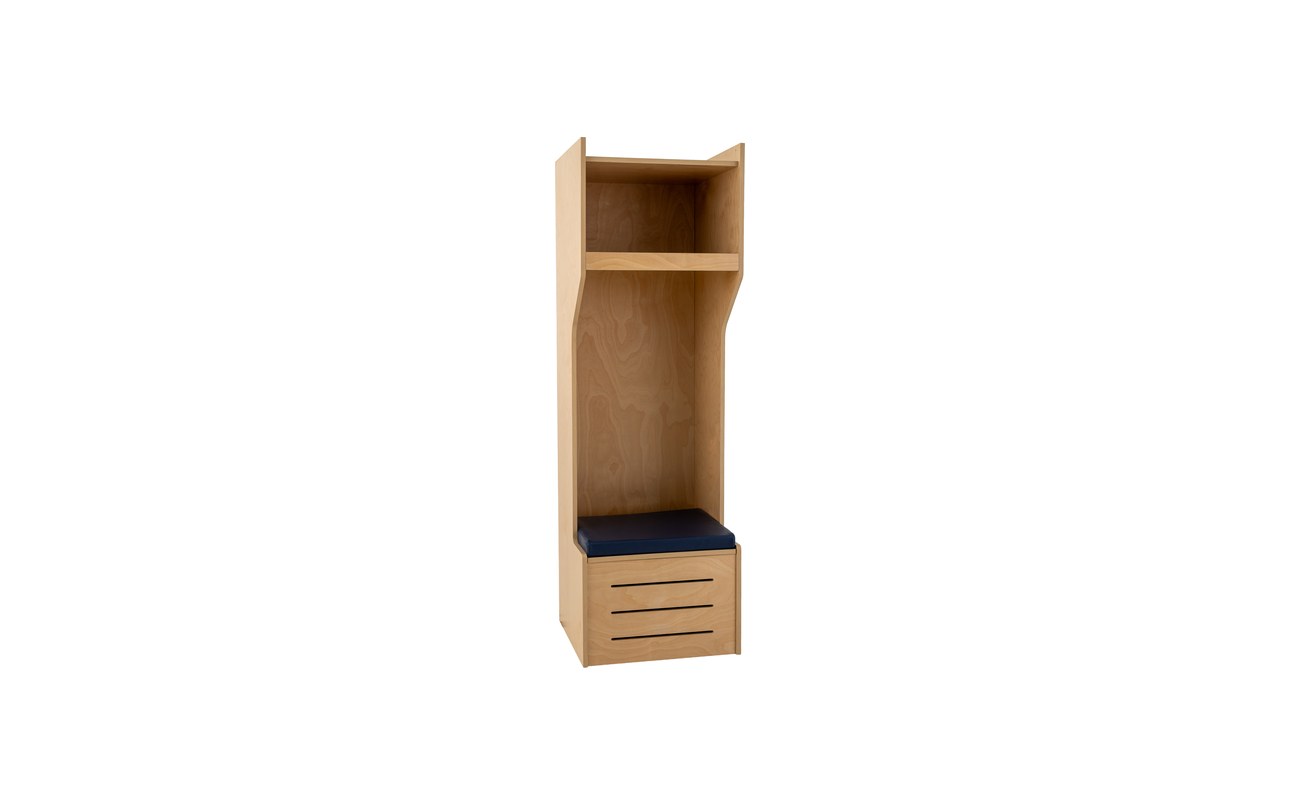
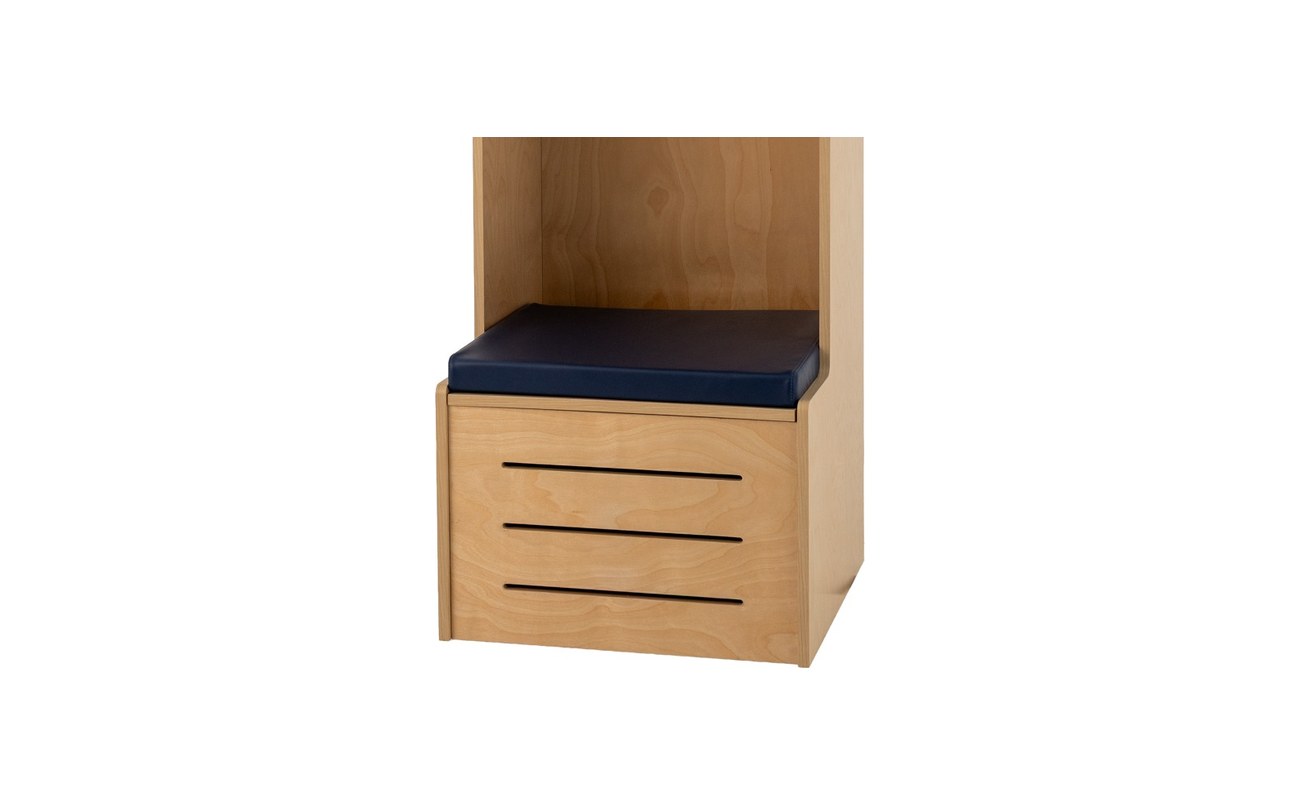
Continuous use means materials that are merely adequate in seasonal climates fail faster in California. Thin powder-coat metal lockers that hold up for 12 years in a Midwestern climate may need replacement in 8 years under California’s use patterns. Solid birch construction, the same material PlayerStall has used for over 35 years, handles continuous use without structural degradation. The guarantee means exactly what it says regardless of how many sports and seasons use the lockers.
Multi-Sport Flexibility Is a Design Priority
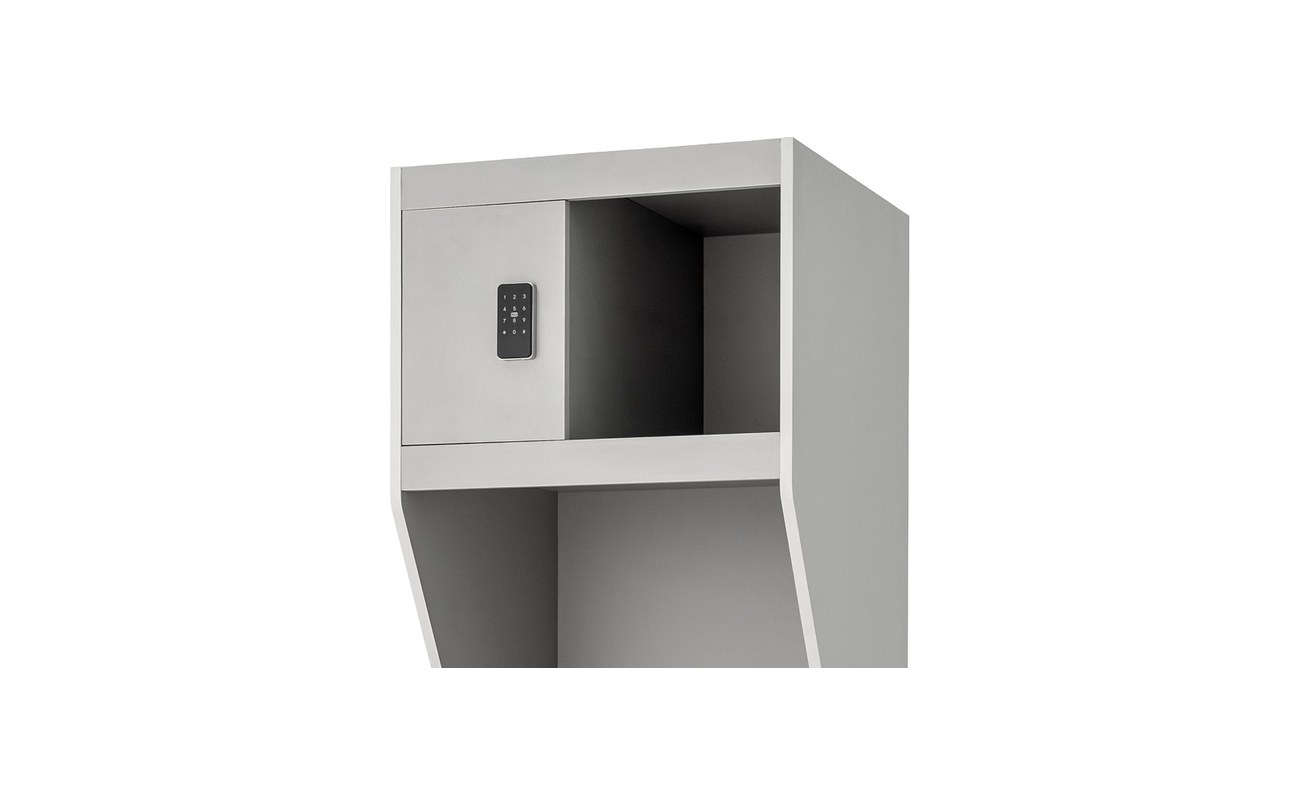
A California locker room that can transition seamlessly from football in fall to basketball in winter to baseball in spring without a renovation cycle is a facility management asset. Removable nameplates, adjustable shelving, and locker widths in the 22–27 inch range that serve multiple sports without modification are the right design approach for most California programs.
For a complete treatment of multi-sport locker room design, see our multi-sport locker room design guide.
The Diversity of California Sports
California’s sports culture is genuinely diverse in a way that few states match. Football is dominant, but not to the exclusion of everything else. Basketball, baseball, soccer, volleyball, track and field, swimming, water polo, cross country, wrestling, tennis, every major sport has a serious competitive culture in California.
That diversity creates specific design challenges for programs with shared locker room space. Football needs 24–30 inch lockers. Baseball needs bat storage. Volleyball programs need well-organized compact storage. Wrestling needs maximum ventilation. A single locker room that serves all of these sports across different seasons requires intentional design choices, not default configurations.
The programs that get this right start by mapping their sport schedule against their facility layout. Which sports share the same locker room? What are their different equipment requirements? Where are the conflicts and how can the locker design resolve them?
A football/basketball shared locker room needs 24–27 inch lockers. A volleyball/soccer shared locker room needs 18–22 inch lockers with well-organized internal configurations. A baseball/football shared locker room needs 27–30 inch lockers with bat storage capability. These are not the same locker. Starting from a clear map of which sports share which spaces produces a design that works for every program.
The Competitive Landscape: What Private Schools Have Built
California’s best-funded private school athletic facilities are the benchmark that public school athletic directors compete against, whether they acknowledge it or not. Schools like Mater Dei, De La Salle, St. Mary’s of Stockton, and Harvard-Westlake have invested in athletic facilities that rival small colleges. Their locker rooms are professional-grade: custom wood lockers, team branding throughout, professional lighting, quality benches and flooring.
Those facilities are the first impression a recruit gets when they visit. The comparison to a public school’s 1990s-era metal lockers is immediate and unfavorable, not because the public school’s coaches are worse or its academic programs inferior, but because the facility signals clearly that the private school invests in its athletes.
What Public Schools Are Doing About It
The public schools that are closing this gap are doing it through deliberate capital planning. They’re using general obligation bond funds, developer impact fees, and booster contributions to stage facility upgrades that prioritize the visible, athlete-facing elements: the locker room, the weight room, the training facility.
The locker room is the right place to start. It’s used every day. Every athlete sees it every day. Every recruit tours it. A locker room investment delivers a visible return in athlete experience and recruiting conversations that a comparable HVAC investment or roof repair cannot match.
Regional Variation: Budget Realities Across California
California is not one market, it’s several, with significant variation in facility budgets and competitive expectations.
Bay Area (SCVAL, MPSF, WACC, WCAL): Silicon Valley and coastal Bay Area school districts have among the highest per-pupil spending in the state. Programs in these sections routinely have facility budgets that support Pro and Varsity tier locker installations. The competitive pressure from well-funded private schools is highest here.
Southern California (SS, LA, CIF-SS): Southern California is the largest section and the most varied. Schools in coastal Orange County, coastal LA County, and the Conejo Valley have strong facility budgets. Inland Empire and East LA programs operate closer to state averages. Private school competition is intense throughout.
Central Valley (Sac-Joaquin, Central): Central Valley programs typically operate with tighter facility budgets than coastal California, reflecting lower per-pupil spending in many districts. The Semi Pro and Varsity tiers are the right range for most programs here.
North Coast and Far North: These sections have fewer programs competing at the highest level of facility investment. Practical, high-quality installations at the Semi Pro and Varsity tiers serve these programs well without over-investing relative to the competitive context.
Funding Sources for California Locker Room Projects
California public school athletic directors have access to several funding mechanisms that don’t apply in most other states. Understanding them before your project planning begins is valuable, the availability of a specific fund can determine your timeline and your budget ceiling.
General Obligation Bonds. The most common major capital funding source for California public schools. Passed by district voters, GO bonds generate specific capital funds allocated by the district’s board. Athletic facility upgrades compete with deferred maintenance, classroom renovation, and technology upgrades for bond allocations. The athletic director’s job is to make the case for locker room priority, ideally tied to Title IX compliance, enrollment growth, or competitive necessity.
Developer Impact Fees. California’s rapid residential development generates developer impact fees collected at the district level. These fees are designated for facility capacity expansion, but some districts have successfully applied them to athletic facility improvements. Talk to your district’s chief business officer.
Proposition 39. California’s clean energy bond program provides funding primarily for energy efficiency projects. Some California districts have applied Prop 39 funds to facility projects with an energy efficiency component, HVAC systems, LED lighting, building envelope improvements. If your locker room renovation includes a ventilation and HVAC component, your district’s energy coordinator may identify a Prop 39 angle.
Booster Contributions. California’s well-organized athletic booster programs are a meaningful funding source for equipment purchases. Booster funds typically cannot be used for construction or permanent fixtures, but locker room lockers occupy an interesting middle ground, they are equipment but they are also permanent facility improvements. Your district’s purchasing and legal team should clarify whether booster contributions can apply to your project.
Product Tier Recommendations for California Programs
California’s range of program budgets and competitive contexts maps onto PlayerStall’s product tiers clearly.
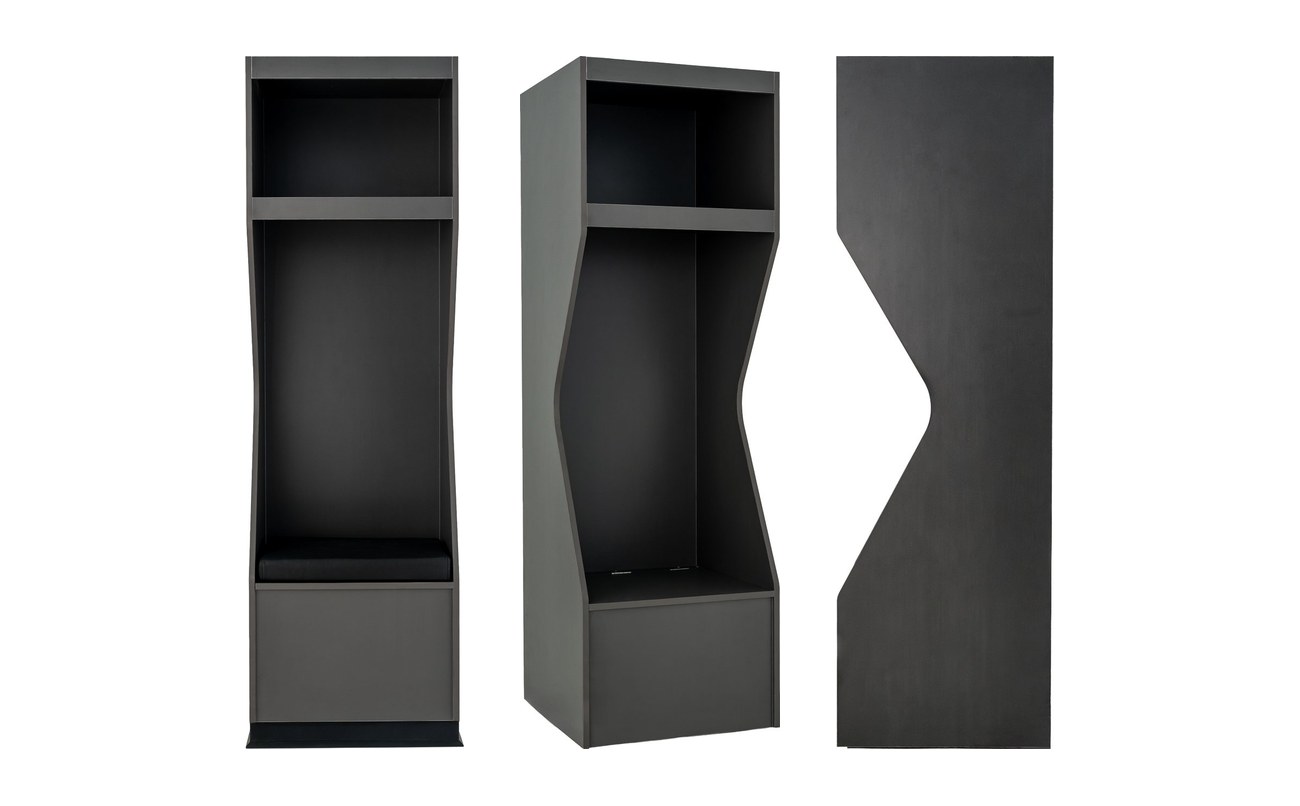
Bay Area and coastal Southern California programs competing at the highest section levels: The Stadium tier at $599 or Stadium tier at $599 delivers the professional-grade aesthetic that matches what top private schools have built. These programs are competing for recruits who are comparing your facility to D1 college locker rooms on their visits. The investment is justified.
Mid-range California programs in suburban districts: The Varsity tier at $499 provides full customisation capability, team colors, nameplates, logo integration, at a price point that most district facility budgets can support. This is the right tier for the majority of California high school programs.
Central Valley and smaller district programs: The Semi Pro tier at $399 delivers solid birch construction, proper ventilation, and a quality that dramatically exceeds whatever metal locker installation it’s replacing, at a budget that works even in districts with tighter facility allocations.
A complete 50-locker installation for a mid-size California high school program is priced per locker by tier, plus freight and installation. For programs looking at the full context of a locker room renovation, the locker room renovation guide and complete sports lockers guide cover the full planning process. The high school athletic lockers guide covers the high school purchasing context specifically. The athletic director’s locker room planning guide addresses the program planning process from start to finish.
Every tier ships with a five year guarantee and solid 3/4-inch birch construction. PlayerStall has been building these for over 35 years. We know what California programs need and we build to it, including the seismic anchoring that every California installation requires.
Contact us for a free design consultation, we’ll design a California-specific locker room solution that accounts for your sport mix, your facility dimensions, your seismic requirements, and your budget.
Frequently Asked Questions
Do sports lockers in California need to meet seismic requirements?
Yes. Lockers installed in California schools must be properly anchored to wall studs or concrete in compliance with California’s seismic safety requirements. Tall freestanding locker installations that are not properly anchored are a safety hazard in earthquake-prone regions. PlayerStall’s installation process includes proper seismic anchoring for every California installation, it’s part of the standard scope, not an add-on charge.
What is the CIF and does it have facility standards for locker rooms?
The California Interscholastic Federation governs high school athletics in California, covering more than 1,600 schools and 800,000 student-athletes. CIF does not publish detailed locker room construction specifications, but the organization’s emphasis on equitable athletic facilities, particularly in the context of Title IX compliance, creates clear expectations for facility quality. Schools with inadequate facilities may face issues in the context of Title IX compliance reviews and competitive recruiting.
How do California public schools fund locker room renovations?
The most common funding sources are general obligation bonds (passed at the district level), developer impact fees, Proposition 39 allocations, and booster contributions. Some districts also access state grants through CIF-adjacent programs. Your district’s facilities director and chief business officer are the right first calls, available funding sources vary significantly by district and region within California.
Why are multi-sport locker rooms especially important in California?
California’s mild climate supports year-round athletic competition in virtually every sport. Unlike states with harsh winters that create natural off-seasons, California schools run multiple sports simultaneously in every season. A locker room that serves football in fall, basketball in winter, baseball and track in spring, and summer conditioning programs gets more use and more sport transitions than facilities in most other states. Designing for multi-sport flexibility from the start prevents expensive retrofits and serves more athletes well.
What do Bay Area schools budget differently from Southern California programs?
Bay Area school districts, particularly in Santa Clara County, Contra Costa County, and Marin County, have among the highest per-pupil expenditures in the state. These districts routinely budget for higher-tier locker room installations. Southern California programs vary more widely: coastal districts in Los Angeles and Orange County have significant facility budgets; Central Valley and Inland Empire programs often operate closer to the state average. Regardless of region, the budget tier should reflect your program’s competitive context.
Conclusion
California athletic directors are making locker room decisions in one of the most competitive, highest-stakes high school athletic environments in the country. The scale is enormous, the private school competition is real, and the year-round athletic calendar means facilities take more wear than anywhere else.
The right sports locker investment for California programs is one that accounts for the seismic requirements, serves the diversity of sports on the schedule, and delivers the quality that recruits from this market expect. PlayerStall has been building that investment for over 35 years, with a five year guarantee that means you’re buying once, not twice.
The consultation is free. The design is specific to your facility and your program. The result is a locker room that competes with the best private school facilities in your section, and lasts 20–30 years with no replacement cycle.
Contact us to start your California locker room project today.
Further reading: complete sports lockers buyers guide | locker room renovation guide | multi-sport locker room design | high school athletic lockers guide | all products